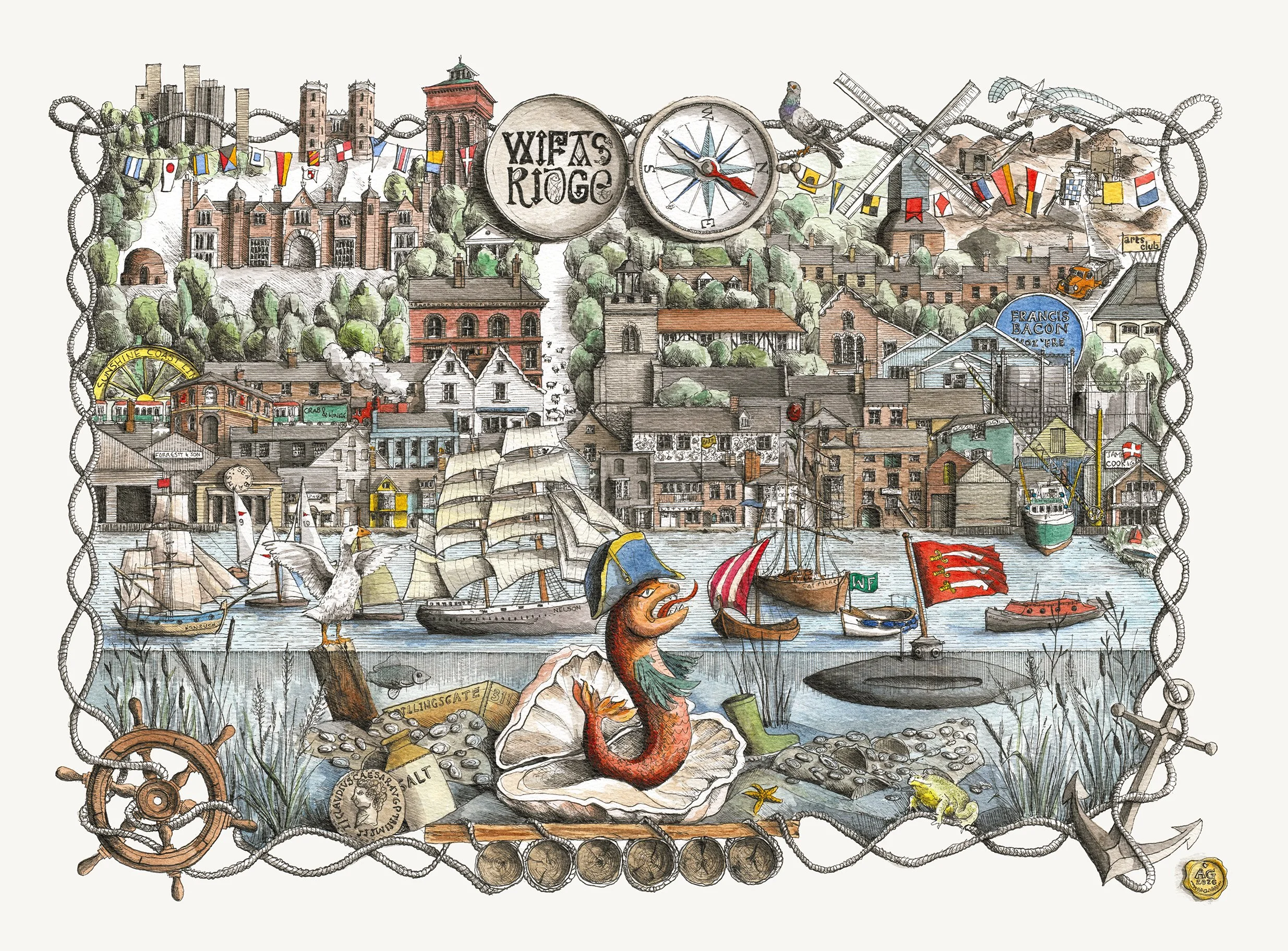
Wifa’s Ridge
An ode to Wivenhoe, from Domesday to today.
Where the River Colne curves gracefully toward the North Sea, Wivenhoe rises upon an ancient ridge. Here, in the shadow of Roman Camulodunum, an Anglo-Saxon chieftain named Wifa established his settlement on a hill of ancient forest.
What's it all about?
Dawn on Wifa’s Ridge
By 1086, the Domesday Book recorded a modest Norman manor under Lord Robert Gernon: a hamlet of twenty-seven households, twelve acres of meadow, pasture for sixty sheep, woodland supporting one hundred pigs, a watermill, and a populace of five villagers, twenty smallholders, and two slaves.
At the centre of village life stood St Mary’s Parish Church, its foundation stones scavenged from recycled Roman red bricks. Around the year 1500, under the patronage of the grand De Vere family, the Earls of Oxford, St Mary's was crowned with a stone tower, clock, and bells, anchoring the growing maritime community.
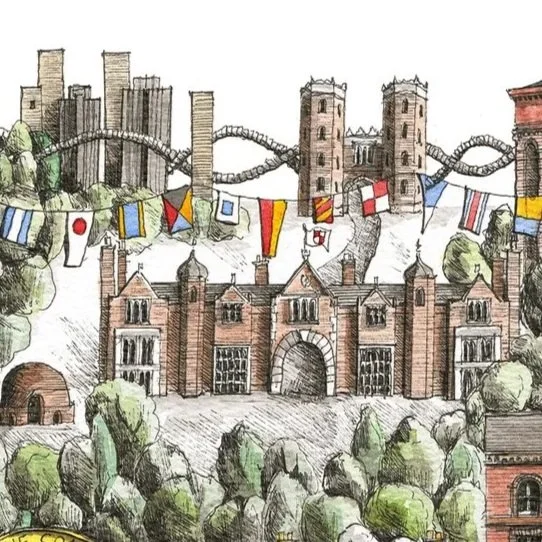
The Great Hall of the De Veres
In 1450, the De Veres elevated Wivenhoe into a seat of noble power, constructing Wivenhoe Hall from 80,000 bricks fired in an on-site kiln. Large enough to accommodate a household of 150 people, it was likely the grandest mansion in 15th-century Essex. Its soaring gatehouse towers stood high above the estuary, serving as a primary navigational seamark for sailing captains guiding their ships up the Colne.
Though the great hall eventually decayed under the extravagant 17th Earl and vanished from maps in the 17th century (with a later rebuilt structure pulled down in 1927), the town around it continued to thrive.
“towers of great height, that served for a seamark”
Philip Morant
Salt, Silk, and Midnight Tides
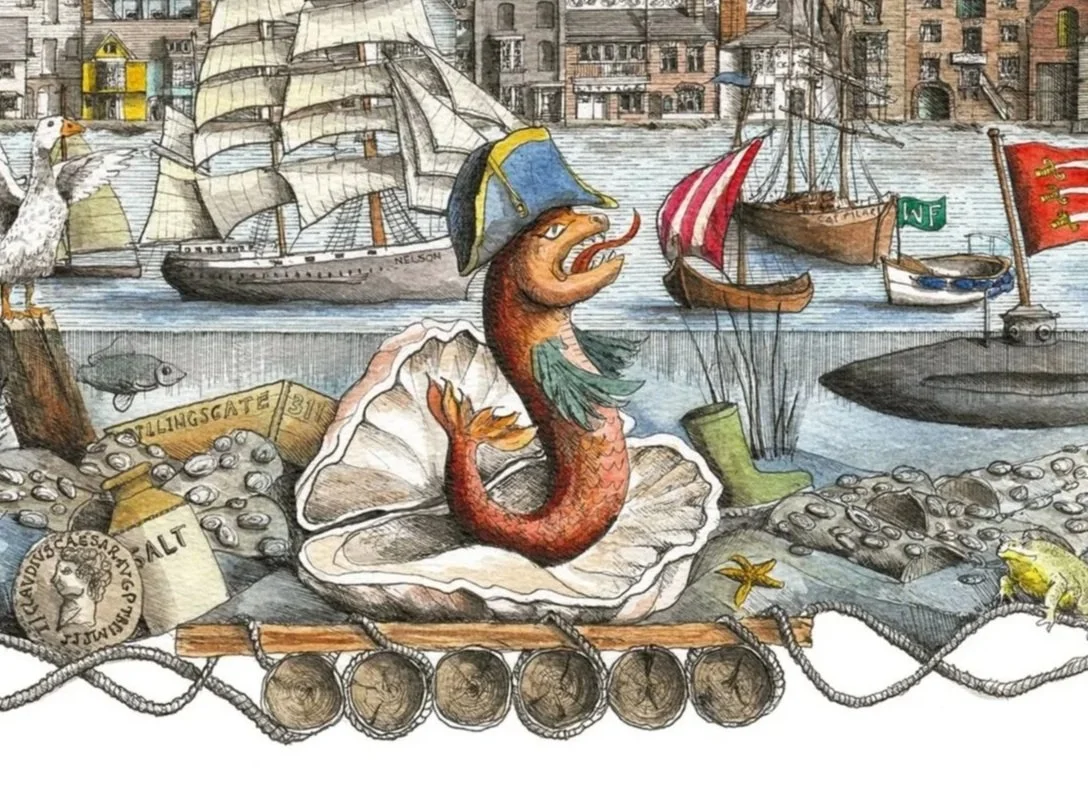
Wivenhoe’s lifeblood flowed with the salt tide. Prime among its maritime trades were the famous Colne oysters, which Daniel Defoe considered the finest in England. Harvested from the mouth of the river, the shellfish were stored and cleaned in dedicated pits along The Quay, where local tenants even paid their rents directly in oysters. Once washed, they were packed in barrels for London markets, supporting coopers and boatbuilders who launched over a hundred oyster smacks. To protect the fishery, local citizens Frederick Nicholson, William Sandford, and Benjamin Sandford founded the Oyster Protection Society in 1789.
Down at Bath Street, Dr. Horace Flack opened The Sea Baths in 1750, expanded in 1755 by Dr. Thomas Tunmer with a 3,590-gallon Great Bath of settled sea water. Tunmer published a treatise on ocean healing while providing free smallpox inoculations to the parish poor. Beneath this industrious life ran a clandestine world of smuggling: townspeople outwitted excisemen in the winding alleyways, constables shouted code warnings across the streets like "Take care of the pigs in your cherry gardens", and shipbuilder Philip John Sainty constructed fast cutters with false sides to hide contraband.
“the finest in England”
Daniel Defoe, of oysters from the Colne
Taverns
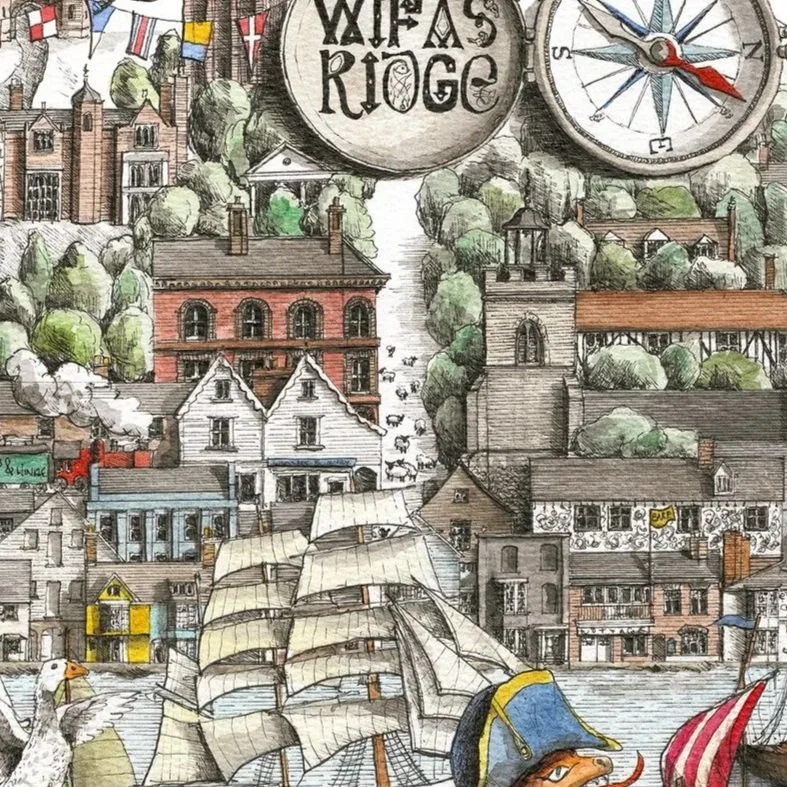
Anchoring this vibrant riverside existence were Wivenhoe’s historic public houses, the true nerve centres of village life. Mid 17th century alehouses like The Black Buoy stood alongside 15th century inns like The Falcon, which hosted bowling greens and 18th century cricket matches where winning players were awarded brand new wigs. At The Anchor on Anchor Hill, property auctions, cockfighting, and oyster rent collections took place beside the water, while waterfront taverns like The Woolpack were rechristened The Ship at Launch to celebrate the booming shipyards. Together, these lively gathering places forged Wivenhoe’s enduring, affectionate moniker: “a drinking town with a fishing problem.”
Iron, Steam, and Great Ships
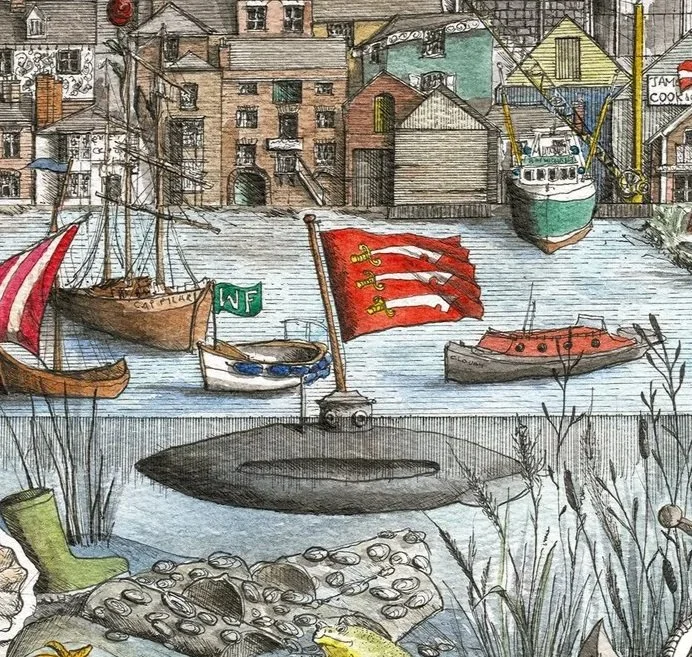
The 19th and 20th centuries brought steam and heavy industry. In 1880, the Sunshine Coast Line arrived at Wivenhoe station, while waterfront alehouses like The Woolpack were renamed The Ship at Launch as new vessels hit the water. In 1884, the Great English Earthquake shook the town, causing the stone battlements of St Mary’s Church tower to collapse before being restored.
Along the riverbank, Cook’s Shipyard produced tugs, launches, and steel pontoons for the 1951 Festival of Britain, while Forrestt’s Shipyard ("The White City") built landing craft and minesweepers. Notable vessels built at Wivenhoe included The Nonsuch (1650), which inaugurated the Hudson’s Bay Company fur trade in 1668; The Volta (1905), a secret submarine built during the Russo-Japanese War; and The Lord Nelson (1985), a 140-ton square-rigged schooner built for physically handicapped sailors.
An Artist’s Haven on the Marsh
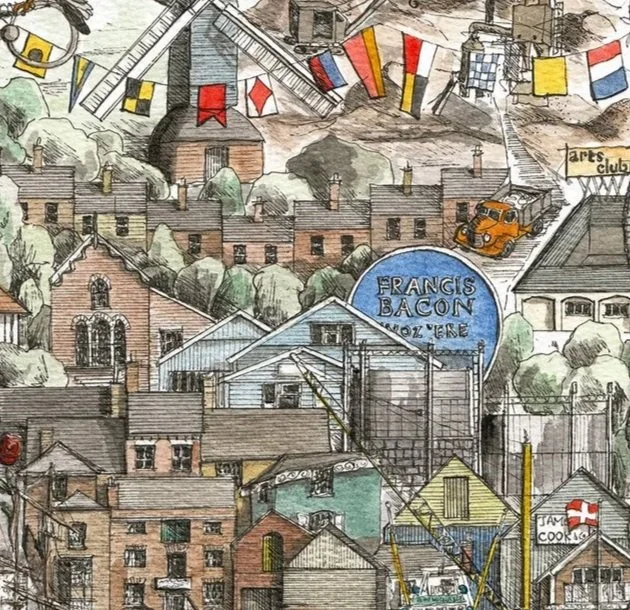
As heavy shipbuilding waned, Wivenhoe transformed into a bohemian sanctuary. In 1966, George Gale established the Wivenhoe Arts Club at Ballast Quay, drawing renowned artists like Francis Bacon, Denis Wirth-Miller, and Richard Chopping.
Overlooking Wivenhoe Park, the new University of Essex took shape under architect Kenneth Capon of the Architects Co-Partnership. Designed as a self-sufficient academic realm with descending courtyards, its iconic concrete Brutalist towers were explicitly modelled after the medieval skyline of Italian hill towns like San Gimignano.
Today, Wivenhoe endures as a sanctuary where ancient timber frames and salt marshlands meet along the Colne. Its people no longer launch the ships they built, but ride the steady cadence of the Greater Anglia sunshine line into the Big City. And though Wivenhoe oysters no longer grace the linen-clad tables of the capital's grand dining rooms, those pounding the city streets carry a quiet yearning in their heart, eager to return to the wild, salt-swept mudflats of their river haven.
Sea Monsters Assemble!
A loose band of aquatic misfits, inspired by characters from WIvenhoe of the past.
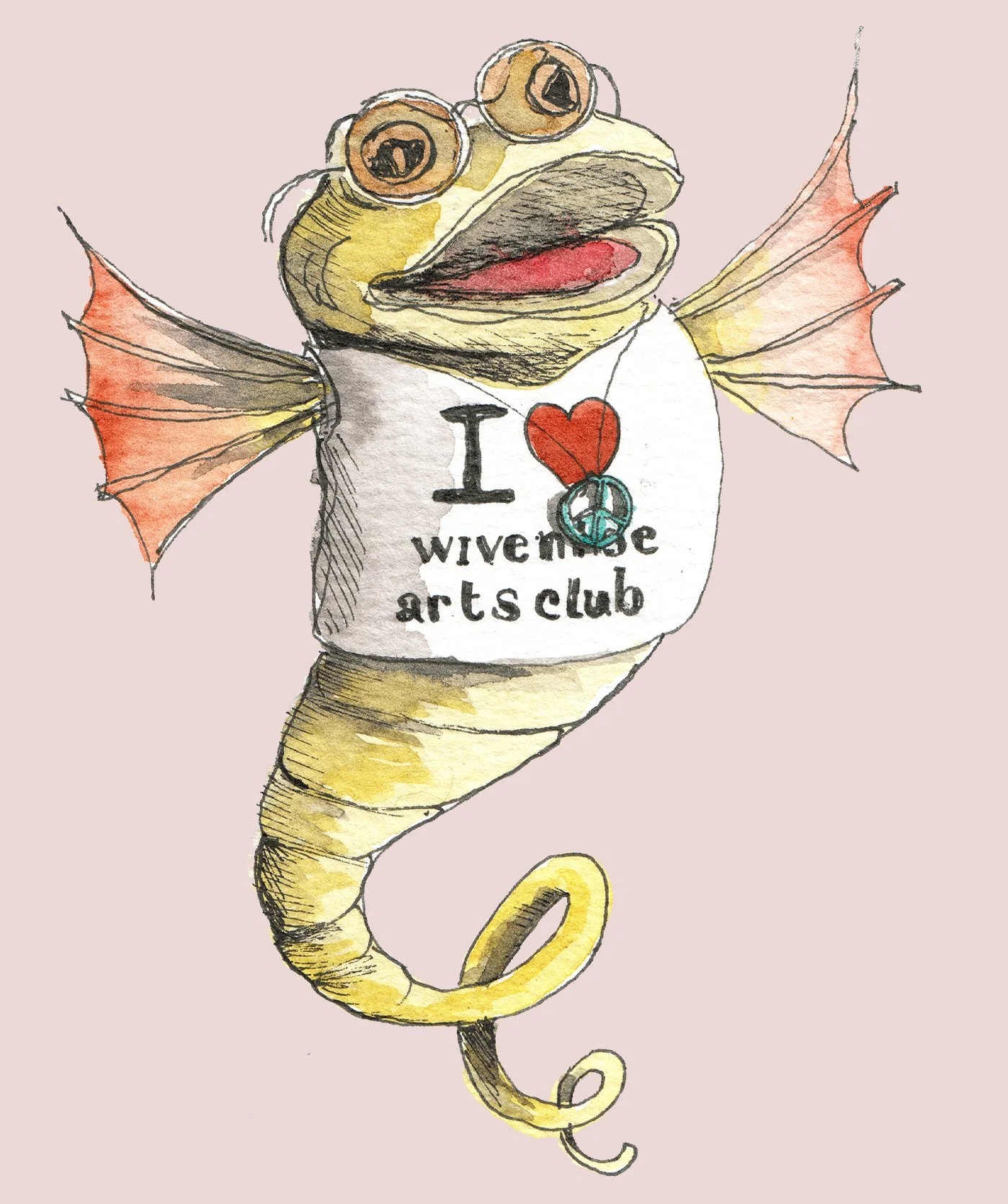
Mudskipper Bacon
An ode to Wivenhoe's bohemian Arts Club, founded in 1996, and attended by Francis Bacon, Denis Wirth-Miller and Richard Chopping
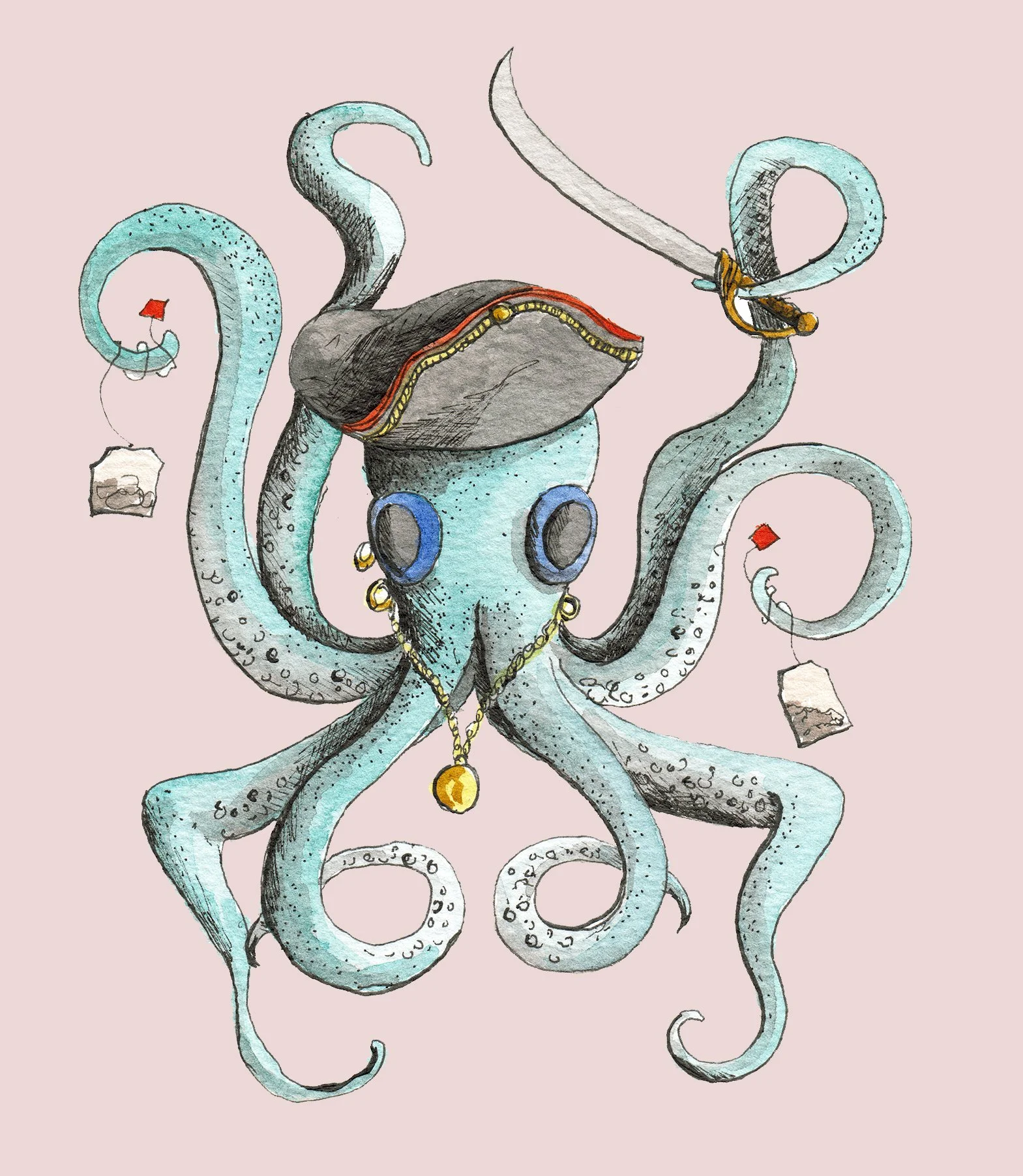
Cap'n Jack Teabag
An ode to the smugglers, who in 1739, threw a contraband haul of tea overboard!
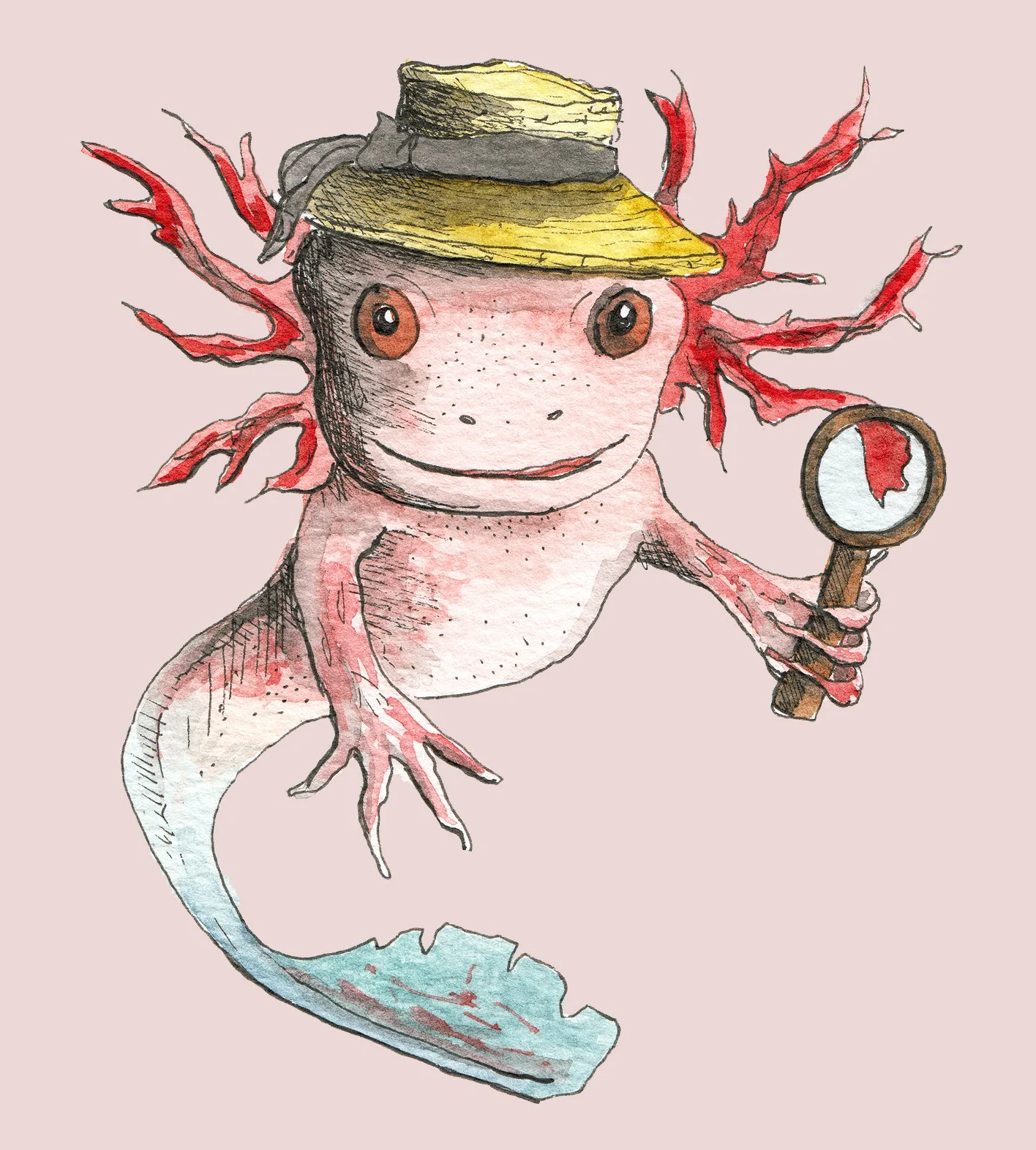
Monster Marple
An ode to Wivenhoe resident Joan Hickson, who played TV detective Miss Marple
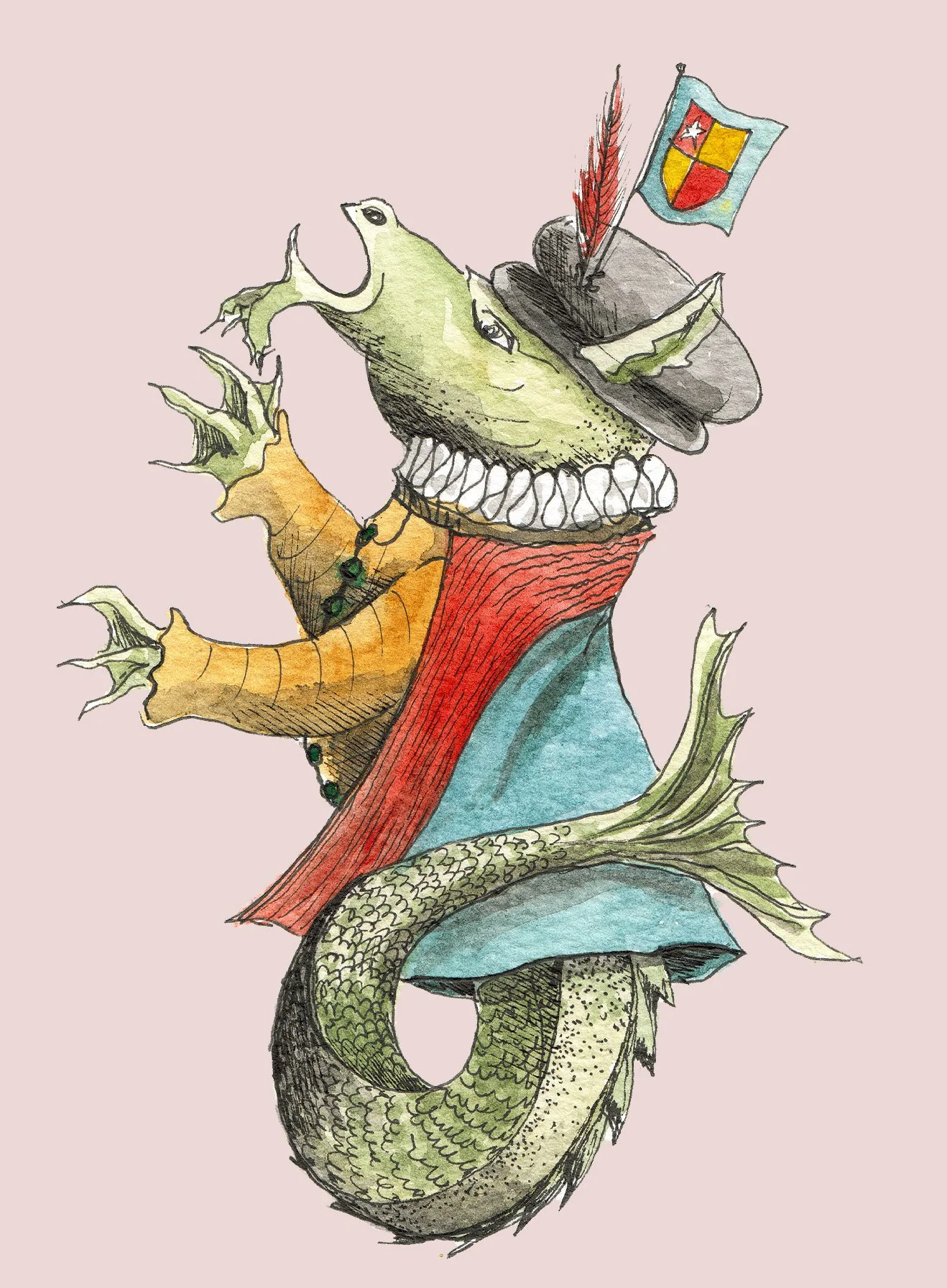
Dastardly de Vere
An ode to the de Veres, Earls of Oxford, who lorded over Tudor Wivenhoe, with an epic manor and skyscraper gatehouse
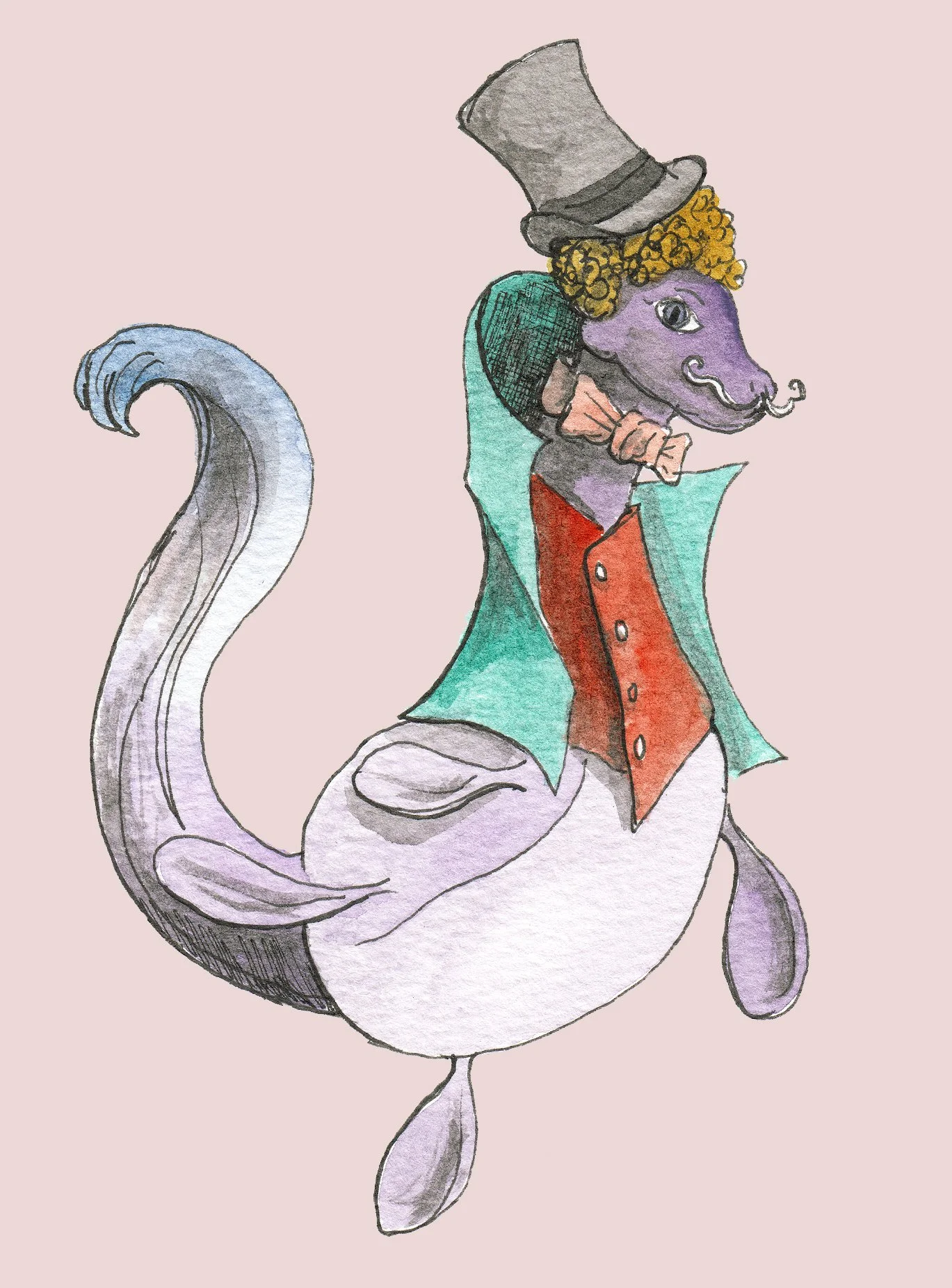
Beau Dandy
An ode to famous Regency dandy Beau Brummell, whose brother William resided in a large Wivenhoe mansion
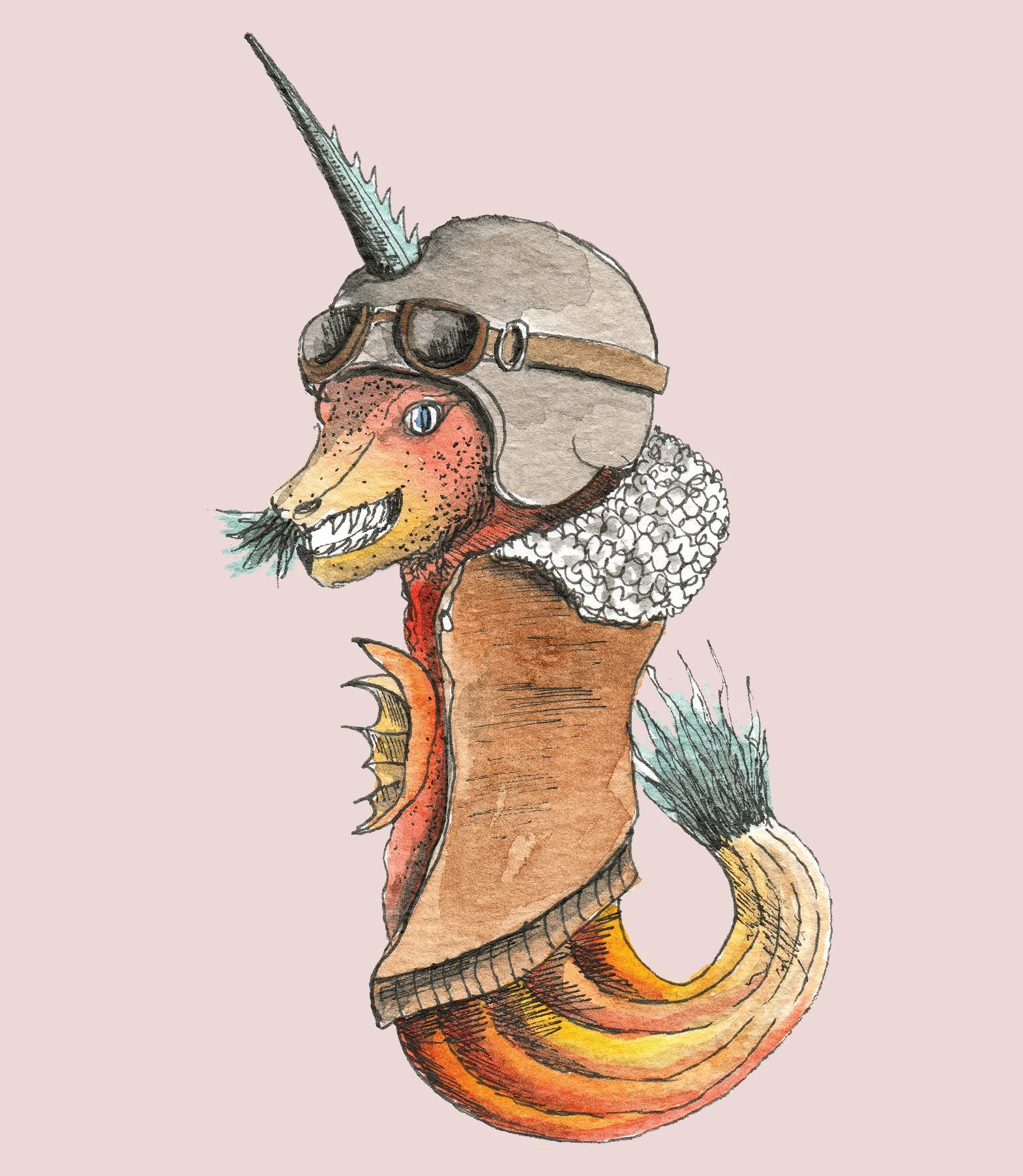
Humphrey Hydroplane
An ode to Wivenhoer Jack Humphrey, who invented 'The Wivenhoe Flier' in 1909
References: British Newspaper Archive - https://www.britishnewspaperarchive.com/Butler, N. (1989) The Story of Wivenhoe. Wivenhoe: Quentin PressOld Maps Online - https://www.oldmapsonline.org/Wivenhoe History Society - https://www.wivenhoehistory.org.uk/Newell, M. (2007) A Prospect of Wivenhoe: Snapshots of an English Town. Wivenhoe: Enterprise House.Thompson, P. (2006) Sea Change: Wivenhoe Remembered. Stroud: Tempus Publishing.